
A Handbook in Ten Chapters
The Shirt Styling Guide
Style is not a set of rules but a series of good decisions. This guide walks through the moments a formal shirt is asked to perform, from the first meeting of the morning to dinner after work.
Each chapter offers practical combinations and principles you can apply to the shirts already in your wardrobe, whether you are dressing for an office in Mumbai, Thane or anywhere else your day takes you.
Office dressing
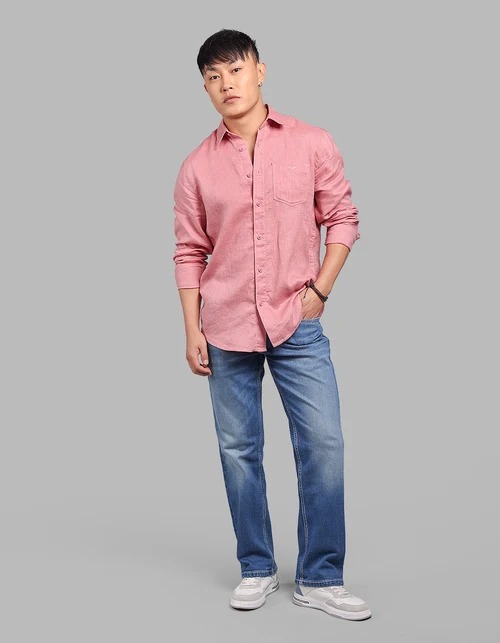
Dress for the day you will actually have.
Most offices today sit somewhere between traditional suiting and business casual. A well-fitted shirt in white, light blue or a soft stripe, tucked into tailored trousers, covers nearly every expectation. Add a tie when the diary calls for it; leave the top button open when it does not.
Build a weekly rotation of five reliable shirts in complementary colours so getting dressed becomes effortless.
Styling notes
- Start with white, light blue and one fine stripe.
- Keep shirts pressed; a crisp collar does most of the work.
- Match belt and shoes, in black or brown.
Corporate meetings
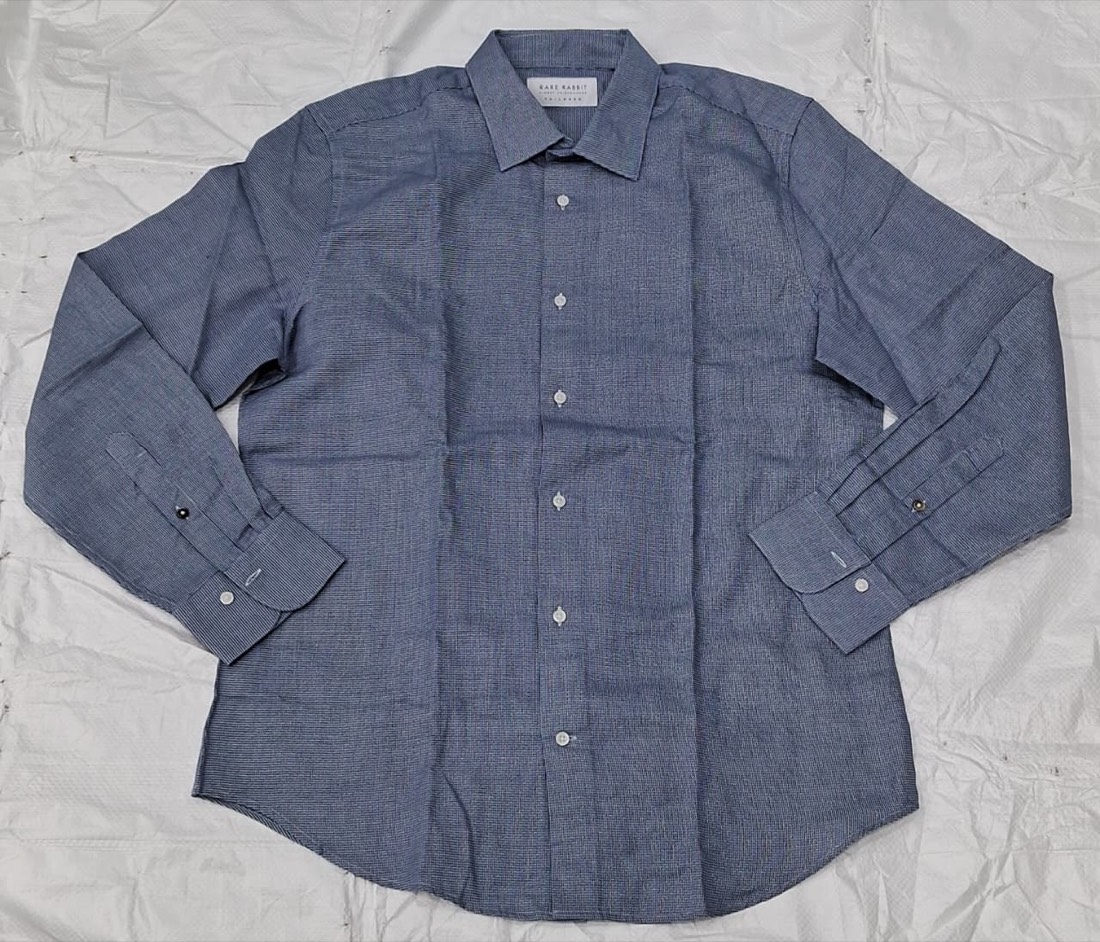
Quiet authority is the goal.
For important meetings, reduce distractions. A white or pale blue shirt beneath a navy or charcoal suit, a silk tie in a muted pattern and polished dark shoes communicate preparation and respect for the room.
Darker shirts such as navy pinstripes can look commanding when paired with a lighter grey suit, but keep the rest of the outfit simple.
Styling notes
- Choose a collar that suits your tie knot; spread collars for fuller knots.
- Show about a centimetre of cuff beyond the jacket sleeve.
- Leave statement patterns for another day.
Business presentations
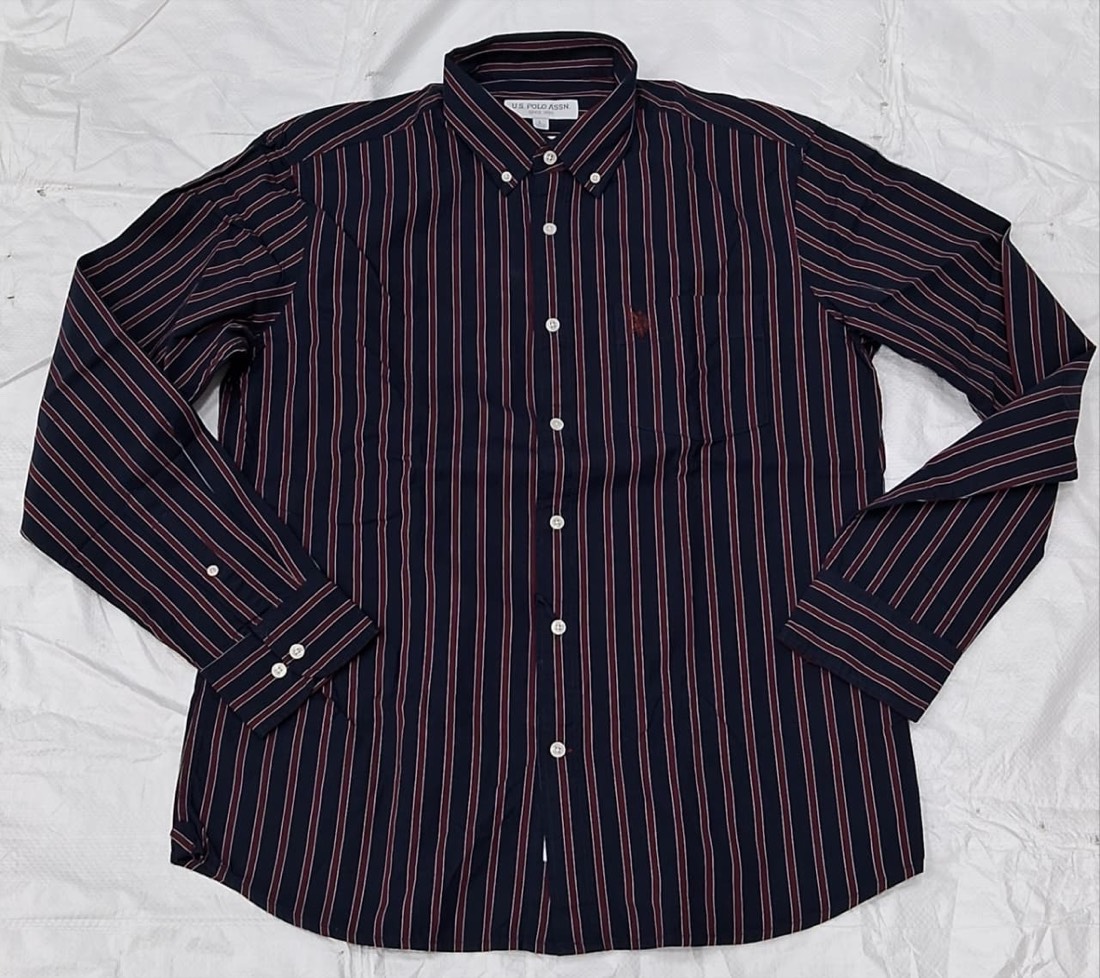
Be seen clearly, and remembered for your ideas.
On stage or at the head of a table, contrast matters. A shirt that stands apart from your jacket frames the face and draws attention to your expression. Avoid very fine, tight patterns, which can shimmer under lights and on camera.
Comfort counts too: choose breathable cotton and a fit that allows you to gesture freely without the shirt pulling at the buttons.
Styling notes
- Mid-scale stripes or solids photograph best.
- Test your arm movement before the day.
- A light undershirt keeps the shirt looking fresh under lights.
Formal occasions
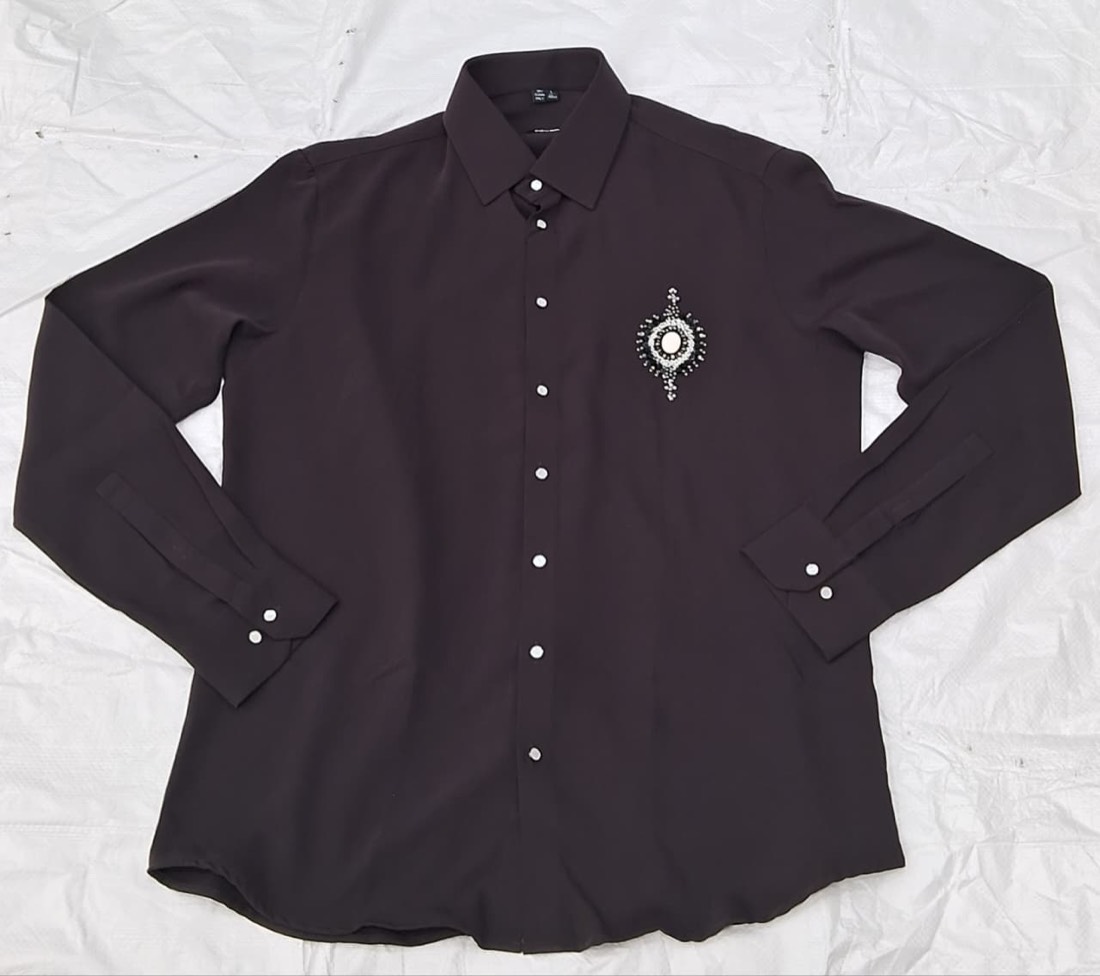
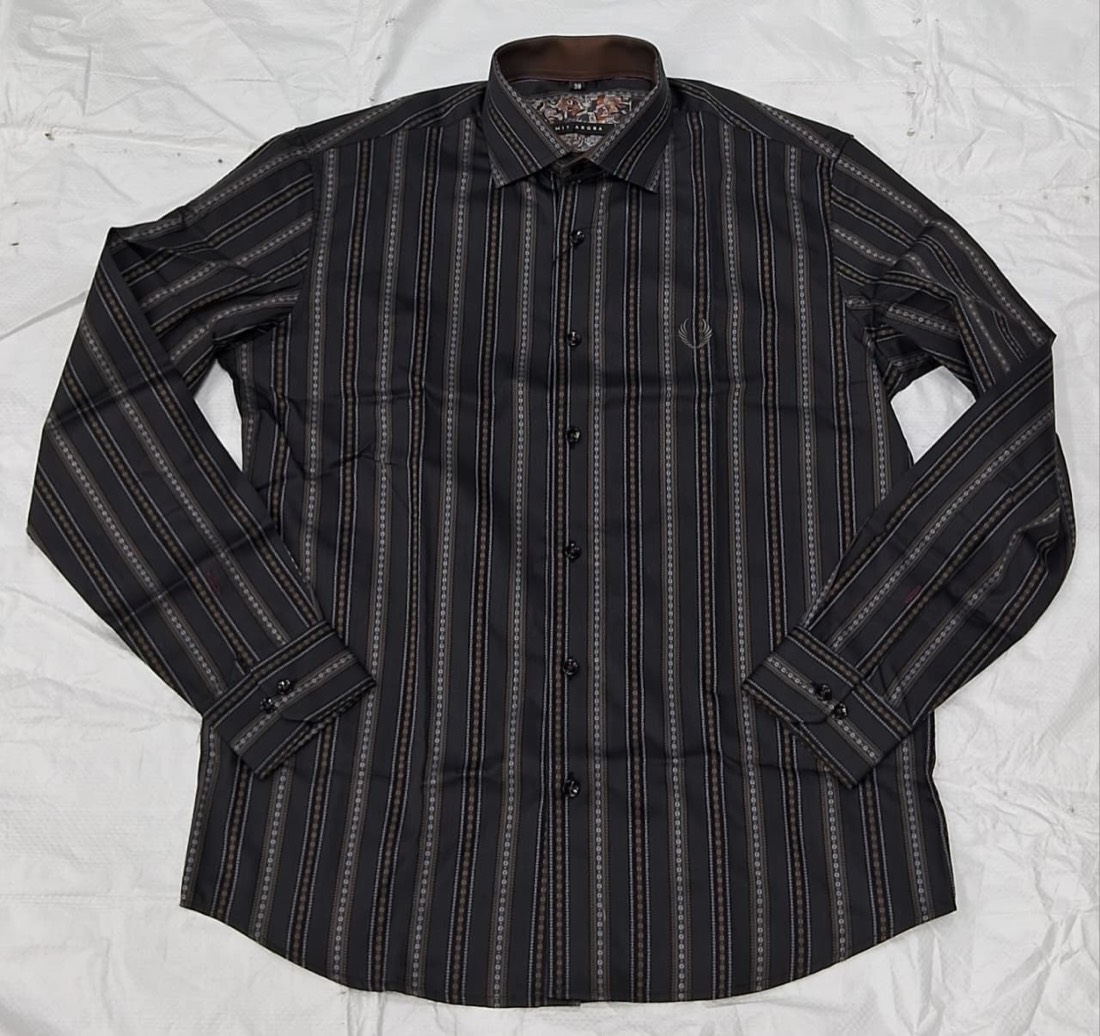
Ceremony deserves a little more.
Weddings, receptions, award evenings and festive gatherings invite richer choices. A crisp white shirt with French cuffs and cufflinks is the classic answer; deep jewel tones such as plum, burgundy or bottle green offer a confident alternative with a dark suit.
Pay attention to finish: a smooth, fine fabric with a subtle sheen and a sharp collar elevates the whole outfit.
Styling notes
- Double cuffs and cufflinks for the most formal events.
- Coordinate the pocket square with the tie, never match exactly.
- Deep shirt colours suit evening; save pastels for daylight.
Professional everyday dressing
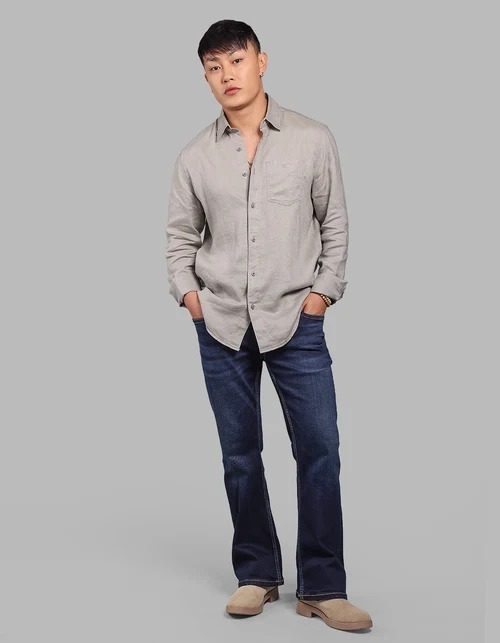
Polish without effort.
On days without meetings, the formal shirt can relax. Neutral shades such as stone, ecru and soft grey, worn with an open collar and neatly tucked, look composed while feeling comfortable. Rolled sleeves, folded twice to just below the elbow, suit a warm afternoon.
The key is that the shirt still fits impeccably; relaxed should never mean careless.
Styling notes
- Choose softer weaves such as Oxford or linen blends.
- Neutral shirts pair with navy, olive and charcoal trousers.
- Keep a blazer at hand for unexpected meetings.
Shirt & trouser combinations
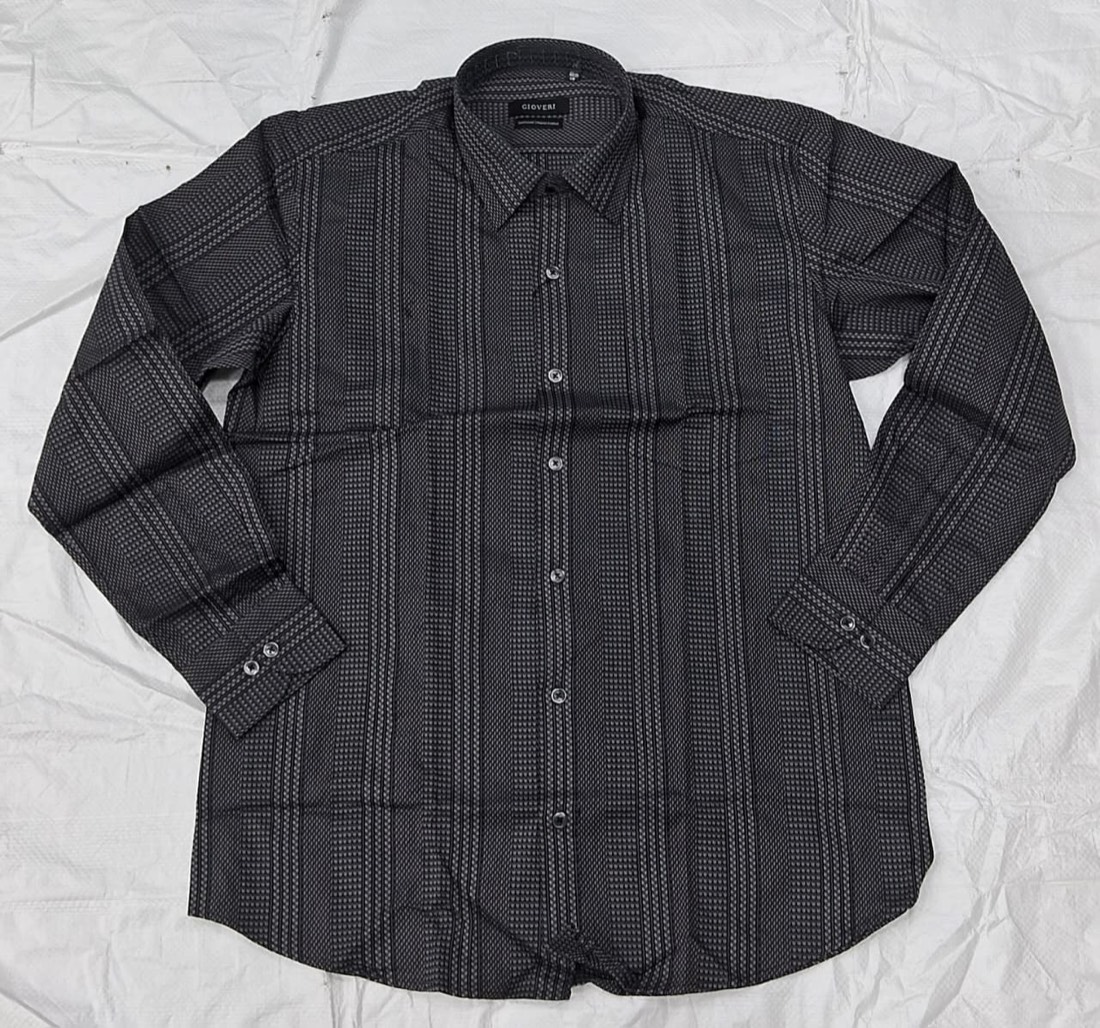
Contrast for clarity, tone for calm.
A simple principle guides most combinations: a lighter shirt over darker trousers looks classic and grounded. Tonal pairings, such as a grey shirt with charcoal trousers, feel modern and sleek. A dark shirt with light trousers is the boldest choice, and works best in smart-casual settings.
White + NavyTimeless and formal
Blue + CharcoalThe office classic
Pink + GreyWarm and approachable
Charcoal + StoneSmart-casual contrast
Shirt & blazer combinations
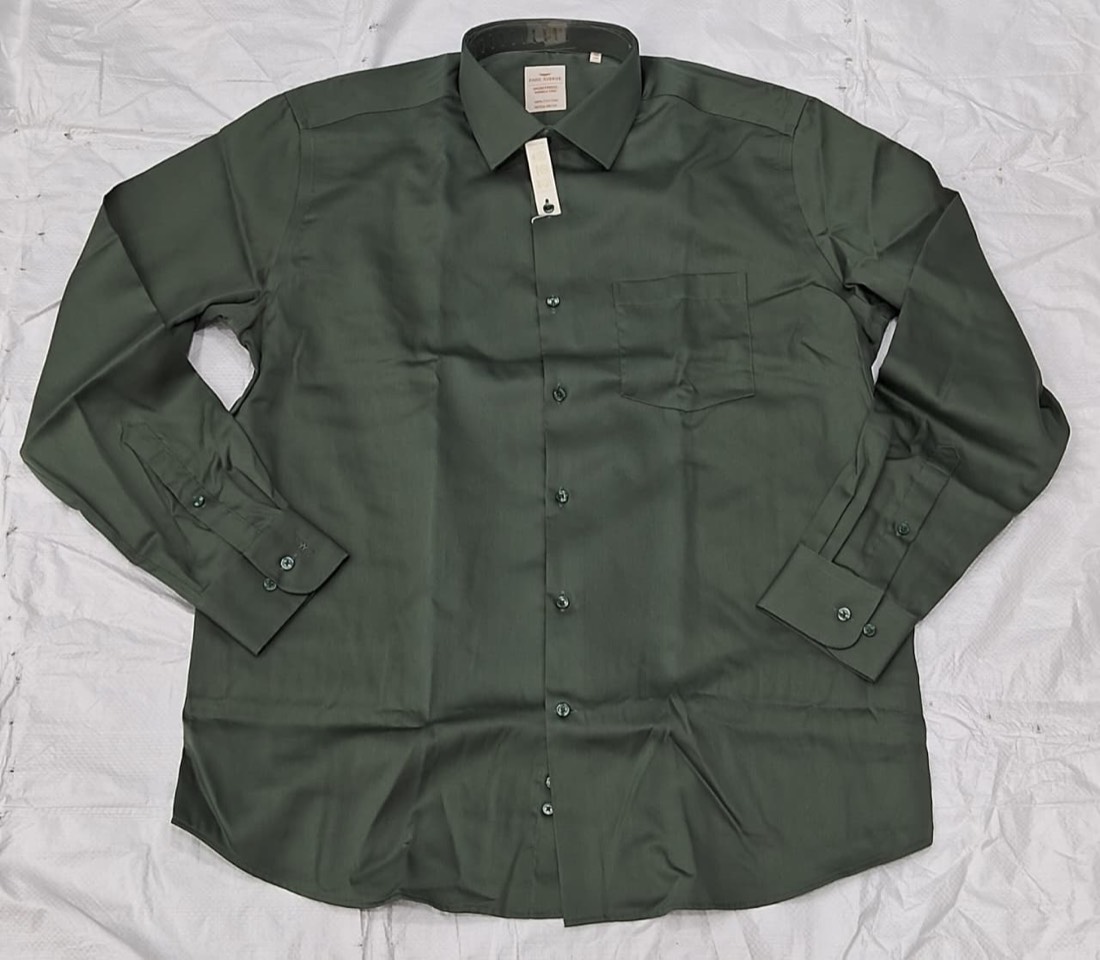
The blazer is a frame; the shirt is the picture.
Unlike a suit, a blazer invites texture and colour. A navy blazer pairs with almost any shirt: white, blue, pink, checks or stripes. Earthy blazers in tan, olive or brown look rich with cream, light blue and muted green shirts.
Without a tie, a shirt with a firm collar (a button-down or a collar with stays) keeps its shape under the lapels.
Styling notes
- Navy blazer + light blue Oxford is the easiest combination there is.
- Olive shirts work beautifully under brown or tan jackets.
- Let only one piece carry a bold pattern.
Colour coordination
Choose a lead colour, then let the rest support it.
A reliable approach is to build each outfit around three colours at most: one for the suit or trousers, one for the shirt and one accent through the tie or pocket square. Neutral foundations such as navy, grey, charcoal and beige make richer shirt colours easy to wear.
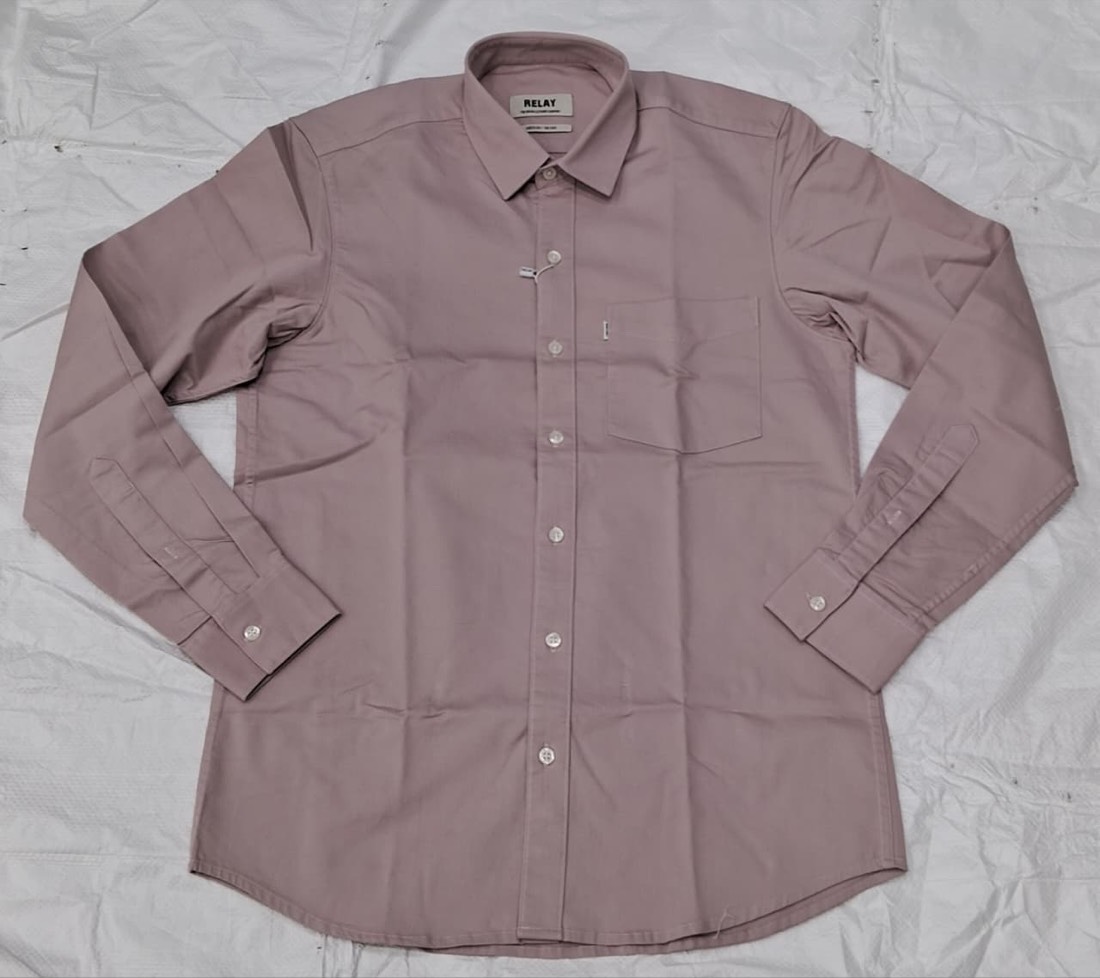
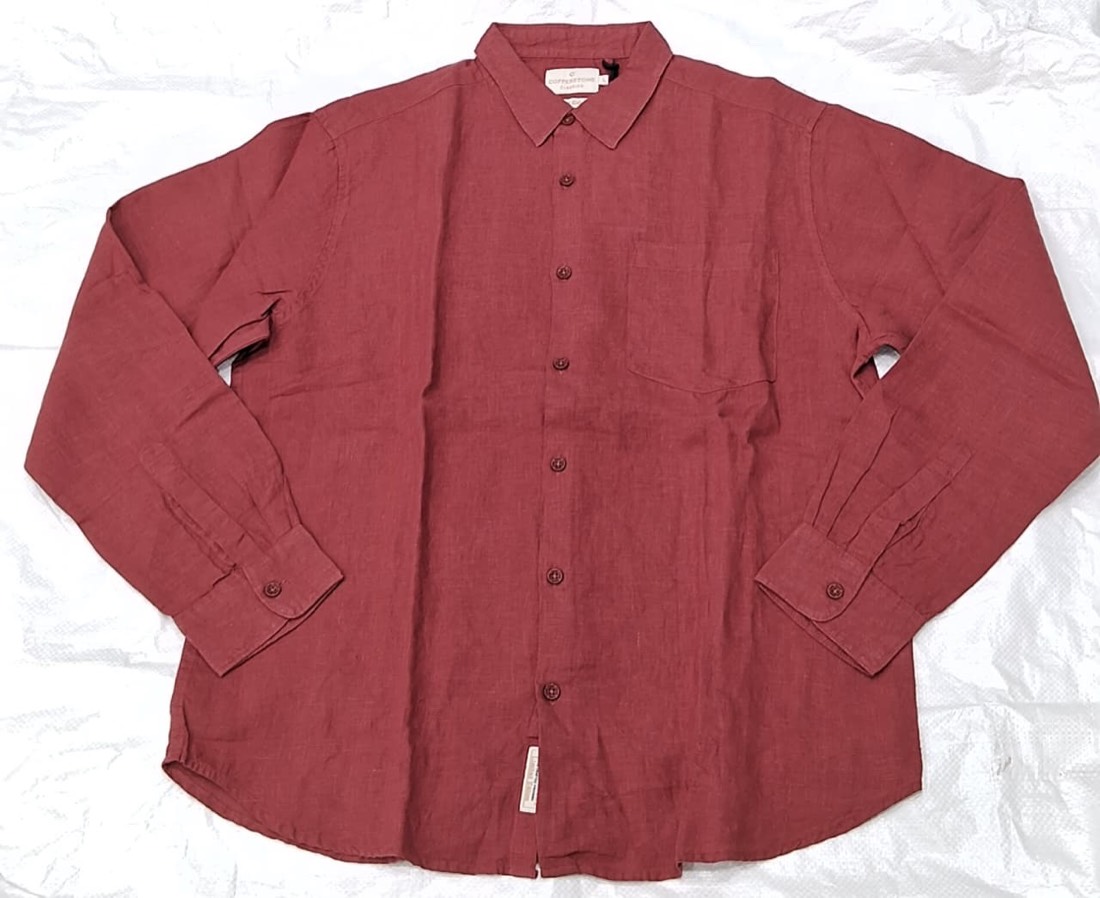
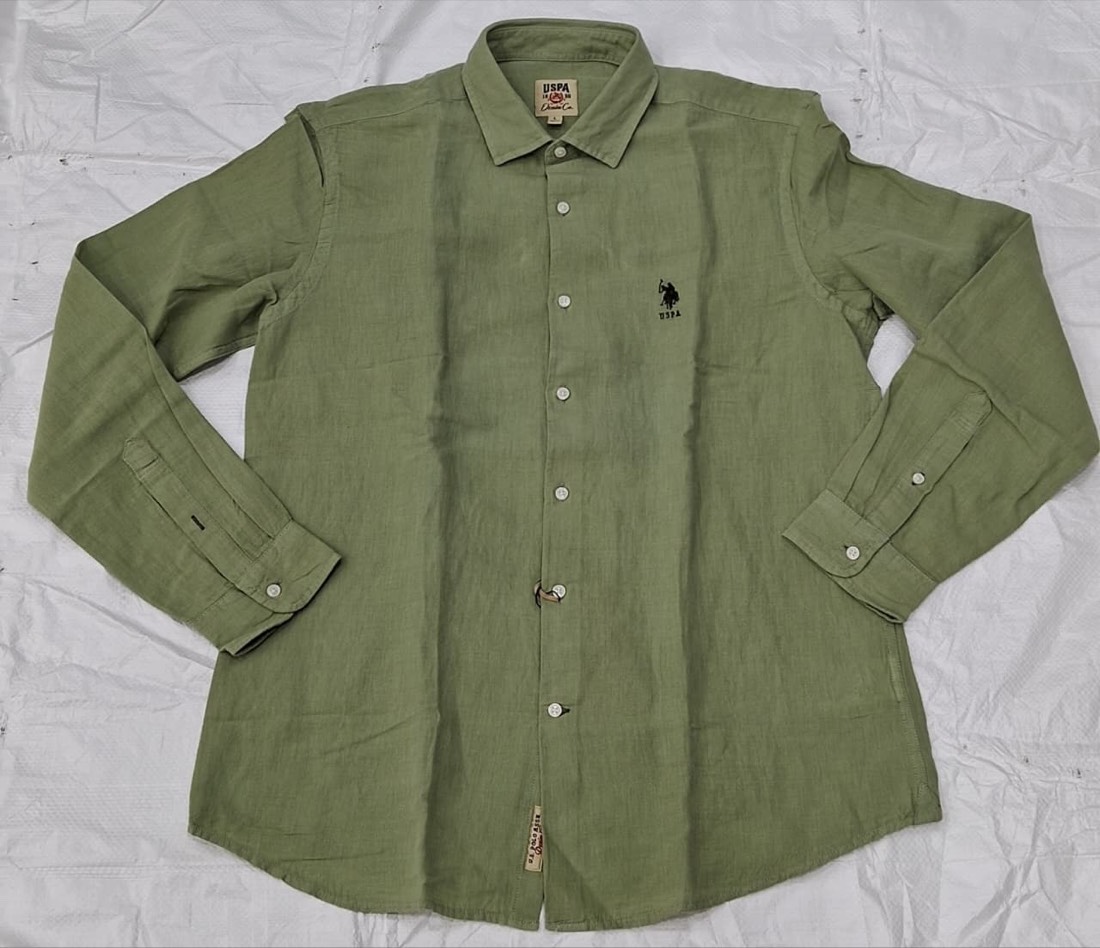
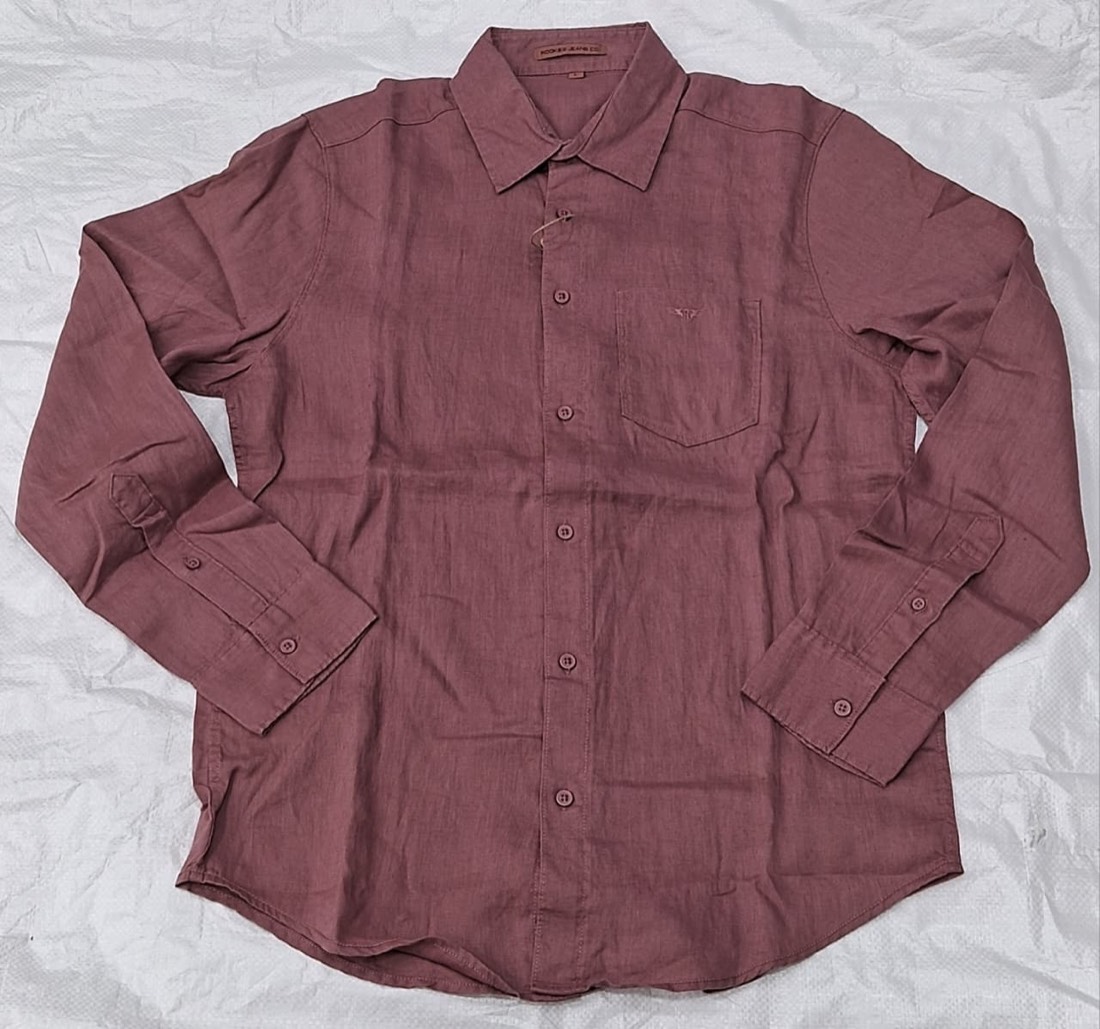
Warm shirts (rose, rust, olive) sit naturally with brown and tan; cool shirts (blue, lilac, grey) with navy and charcoal. Deep reds and mauves bring warmth to grey tailoring and are particularly striking in the evening.
Accessory coordination
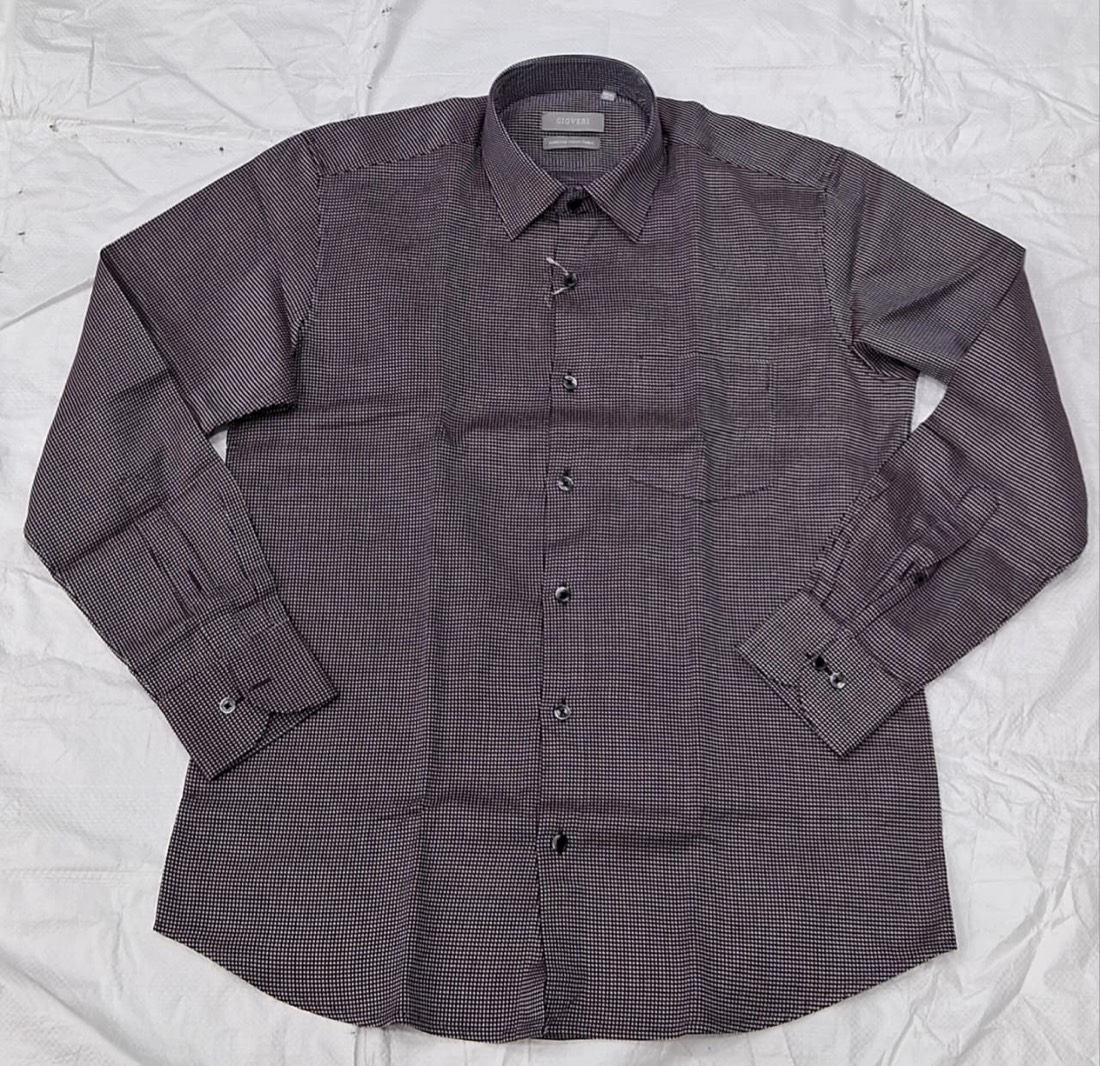
Accessories should finish a sentence, not start a new one.
Ties, belts, watches, cufflinks and pocket squares are where personality appears, so keep them in conversation with your shirt. Pick up a colour from the shirt's pattern for the tie, or contrast deliberately: a burgundy tie on a pale blue shirt is a classic for a reason.
Styling notes
- Tie width should roughly echo the width of your lapels.
- Metals should agree: watch, belt buckle and cufflinks in one tone.
- Patterned shirt, plainer tie; plain shirt, richer tie.
- Belt and shoes in the same leather colour.
Day-to-evening styling
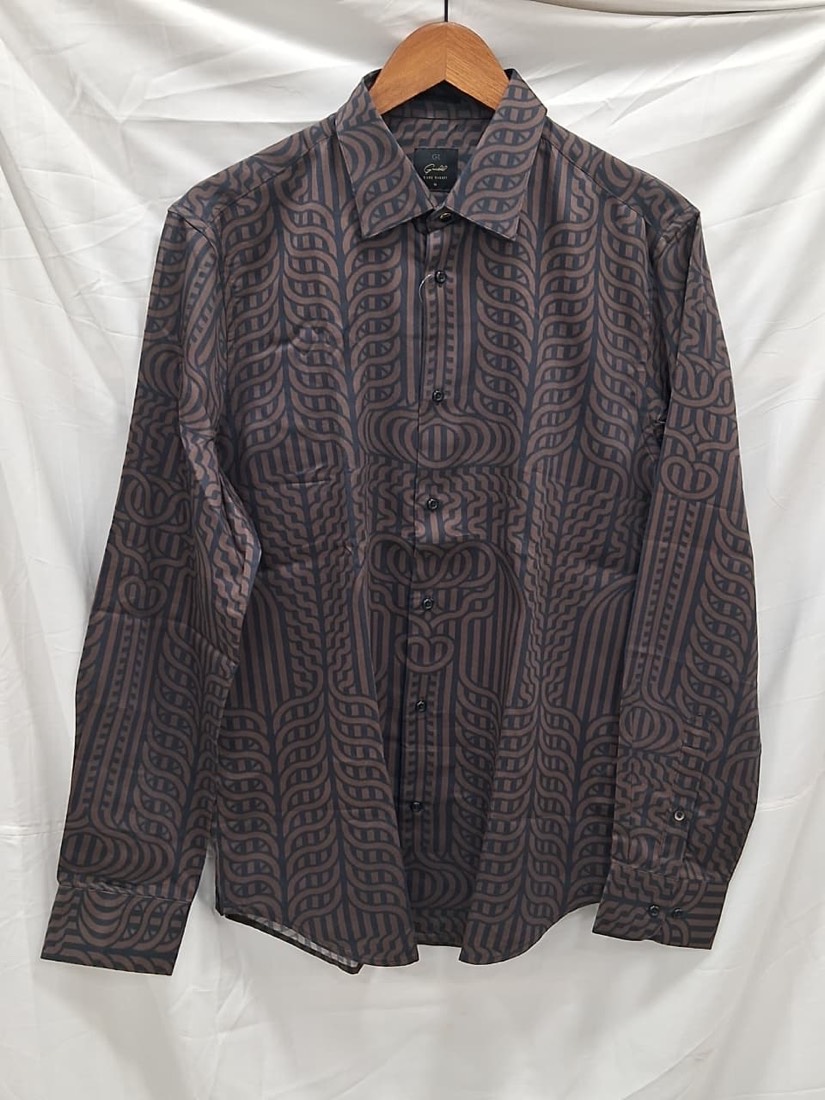
One shirt, two moods.
When the working day runs straight into dinner, choose a shirt that can change register: a rich solid, a subtle pattern or a deeper colour that looks professional under fluorescent light and warm under candlelight. Then edit the outfit rather than replacing it.
By day
- Tie on, top button fastened
- Suit jacket or structured blazer
- Simple steel watch
By evening
- Tie off, collar open
- Softer jacket, or none at all
- Pocket square or cufflinks for a finishing note